Industry
BEYBLADE X: Takara Tomy Explains Emergency Production
The manufacturer responds to persistent shortages and explains why it is adding extra production capacity despite the risk of overproduction.
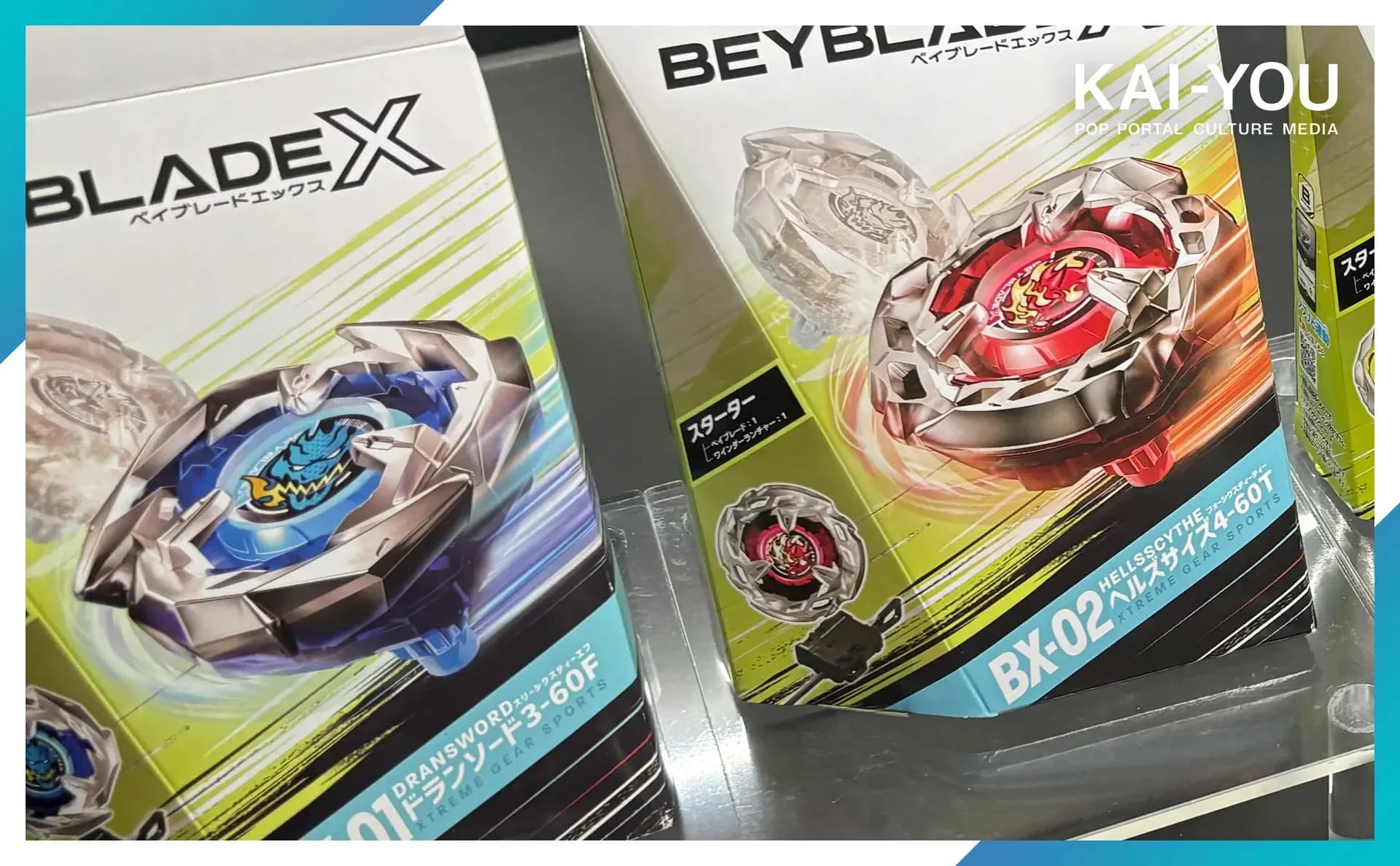
Takara Tomy has unusually short-notice expanded production of BEYBLADE X due to persistent supply shortages. In an interview at the Tokyo Toy Show 2026, the development team now explains why the manufacturer is adding capacity despite the risk of later overproduction.
Shortages Since Spring 2026
KAI-YOU reports that BEYBLADE X products have repeatedly been hard to obtain since spring 2026, especially in Japan and other parts of Asia. Takara Tomy therefore announced an emergency production run for individual products as early as July 29 and additionally offered made-to-order production for a time via the Japanese Takara Tomy Mall.
The decision carries risk for a toy manufacturer: if demand is overestimated, the additional production could later lead to excess stock. A member of the Beyblade development team, however, told KAI-YOU that physical availability is decisive for the brand's concept. Anyone who wants to play must be able to actually hold the tops in their hands, so supplying players is a priority.
The team also emphasizes the social character of the game. Beyblade is meant to bring people together directly rather than separating the encounter from the physical product.
More Than 560 Million Beyblades Shipped
BEYBLADE X is the fourth generation of the spinning-top brand, running since 2023; the brand launched in 1999. According to Takara Tomy, more than 560 million units in over 80 countries and regions had been shipped across all four generations by September 2025.
The current generation is marketed as "Gear Sport" and is part of a larger franchise structure with TV anime and competitions. According to the development team, Takara Tomy has pursued the goal of establishing Beyblade not only in Japan but as an international play culture since earlier generations.
The company still does not state concrete unit numbers for the additional production or a dedicated delivery schedule for Germany. The shortages nevertheless show how strongly physical products can continue to grow within Japanese entertainment brands. A similar international market trend recently appeared in the sharply increased Pokémon card trade to Korea. In the classic toy sector, Bandai also announced the Tamagotchi ring, the first ring-shaped Tamagotchi device.